Now Reading: The Winter Solstice: A Turning Point in the Year
-
01
The Winter Solstice: A Turning Point in the Year

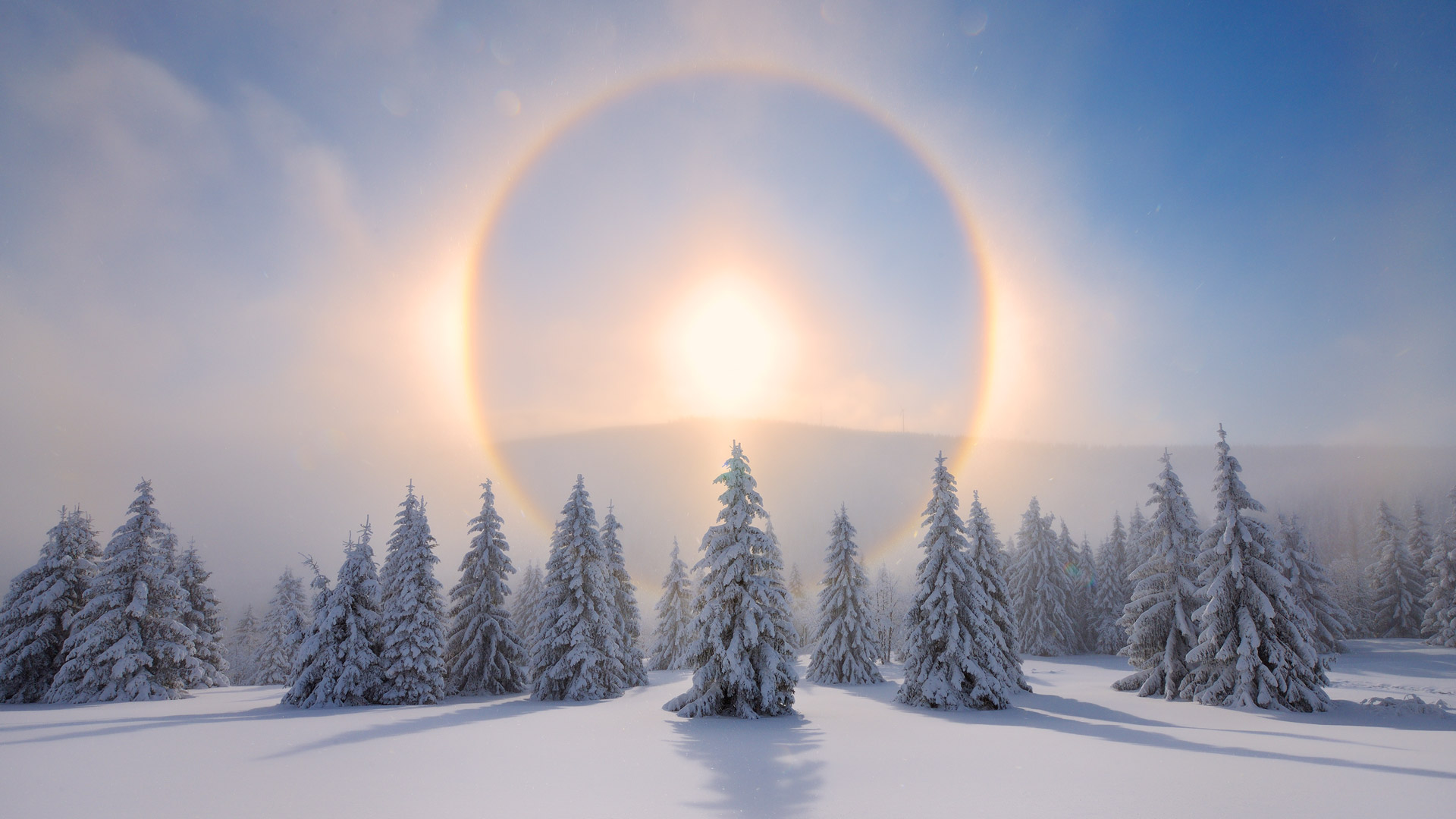
The winter solstice, occurring around December 21st or 22nd in the Northern Hemisphere, marks a significant event in the Earth’s annual journey around the Sun. This celestial phenomenon signifies the shortest day and longest night of the year, when the Sun reaches its southernmost point in the sky, directly over the Tropic of Capricorn. While the solstice is an astronomical event, its cultural and historical importance stretches back millennia, influencing traditions and rituals worldwide.
Scientifically, the winter solstice happens when the Earth’s axial tilt is farthest from the Sun. In the Northern Hemisphere, this tilt results in reduced sunlight and cooler temperatures. From this point onward, the days gradually lengthen, leading to the eventual return of warmer temperatures and the arrival of spring. This cyclical pattern has been observed and celebrated by many ancient cultures, which recognized the solstice as a time of rebirth and renewal.
In ancient societies, the winter solstice was often seen as a turning point, symbolizing the triumph of light over darkness. The Romans celebrated the solstice with the festival of Saturnalia, which honored the god Saturn and featured feasts, gift-giving, and public revelry. Similarly, many Indigenous cultures observed the solstice with ceremonies focused on the Sun’s return, which was thought to bring prosperity and health.
In modern times, the winter solstice remains a time of reflection, spiritual significance, and celebration. It inspires a variety of customs and events, from solstice festivals to New Year’s celebrations. The solstice also marks a time for people to pause and acknowledge the slow but steady return of light, making it a symbolic reminder of resilience and renewal in the face of adversity.
In essence, the winter solstice represents both a cosmic phenomenon and a deeply human experience, a time for introspection, celebration, and hope.