Now Reading: Dharmendra Pradhan Resigns as Education Minister: Major Victory for Student Protesters Over Exam Paper Leaks
-
01
Dharmendra Pradhan Resigns as Education Minister: Major Victory for Student Protesters Over Exam Paper Leaks
Dharmendra Pradhan Resigns as Education Minister: Major Victory for Student Protesters Over Exam Paper Leaks

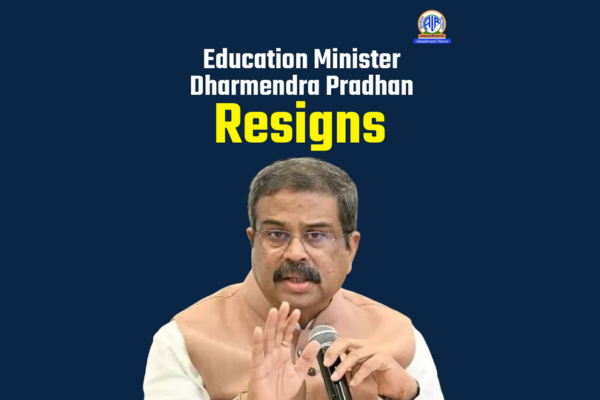
Union Education Minister Dharmendra Pradhan resigned from the Union Cabinet on July 25, 2026, amid mounting pressure from nationwide student protests over alleged examination paper leaks and demands for accountability in the country’s examination system. The resignation marks a rare and significant political concession by the Modi government to mounting civil unrest and represents a major victory for student activists who sustained weeks of demonstrations demanding governmental accountability.
The resignation follows sustained protests led by student groups demanding accountability for repeated examination paper leaks, including the NEET Exam, particularly those linked to national-level entrance examinations. The movement was spearheaded by India’s Cockroach Janta Party (CJP), a satirical youth campaign that mobilized tens of thousands of students and supporters demanding Pradhan’s removal and sweeping reforms to India’s examination system.
In a social media post, Pradhan said he was deeply pained by the prevailing situation following the students’ protests over the past ten days and added that it was not a matter of personal prestige for him. He said that, considering the situation at Jantar Mantar in New Delhi and across the country, he decided to tender his resignation to the Prime Minister to prevent anti-national forces from exploiting the situation and to ensure that no student’s future gets entangled in legal complexities.
Pradhan expressed gratitude to the Prime Minister for his guidance, trust, and constant support. He said that service to the nation remains the highest priority of his life and that he will continue to remain dedicated to it. Referring to the irregularities in the NEET-UG 2026 examination, Pradhan said the government had handed over the investigation to the CBI.
The minister attempted to contextualize the controversies, noting some achievements within the system. Referring to the NEET-UG results declared on July 16, he said the outcome was satisfactory, with many meritorious students from underprivileged backgrounds achieving success. However, he alleged that some individuals holding responsible positions attempted to create obstacles and mislead students, which caused him deep anguish.
Hours after Pradhan’s resignation announcement, leaders of India’s Cockroach Janta Party said they were ending their demonstrations after the government “accepted” all its demands, a CJP spokesman said. Abhijeet Dipke, founder of the CJP, hailed Pradhan’s resignation in a statement following the announcement, while adding that there was still more to be done.
The resignation demonstrates how persistent, organized civil mobilization can force governmental accountability even from a relatively centralized administration. The student-led protests challenged not merely individual ministerial competence but systemic failures in examination integrity, demanding comprehensive reforms addressing transparency, security, and fair assessment practices.
The BJP’s national president Nitin Nabin, a close aide to Modi, said Pradhan’s decision to step down “reflects the highest standards of integrity and selfless service in public life,” adding that the party “stands firmly” with him in his decision. This diplomatic framing attempted to preserve Pradhan’s reputation while acknowledging the government’s need to respond to public pressure.
As India’s education system faces substantial scrutiny regarding examination management, Pradhan’s resignation signals acknowledgment that institutional reform requires leadership changes and systemic overhaul addressing the examination vulnerabilities that sparked widespread student outrage and unprecedented protest mobilization.