Now Reading: The Silent Mic: Arijit Singh’s Decisive Shift from the Playback Booth
-
01
The Silent Mic: Arijit Singh’s Decisive Shift from the Playback Booth

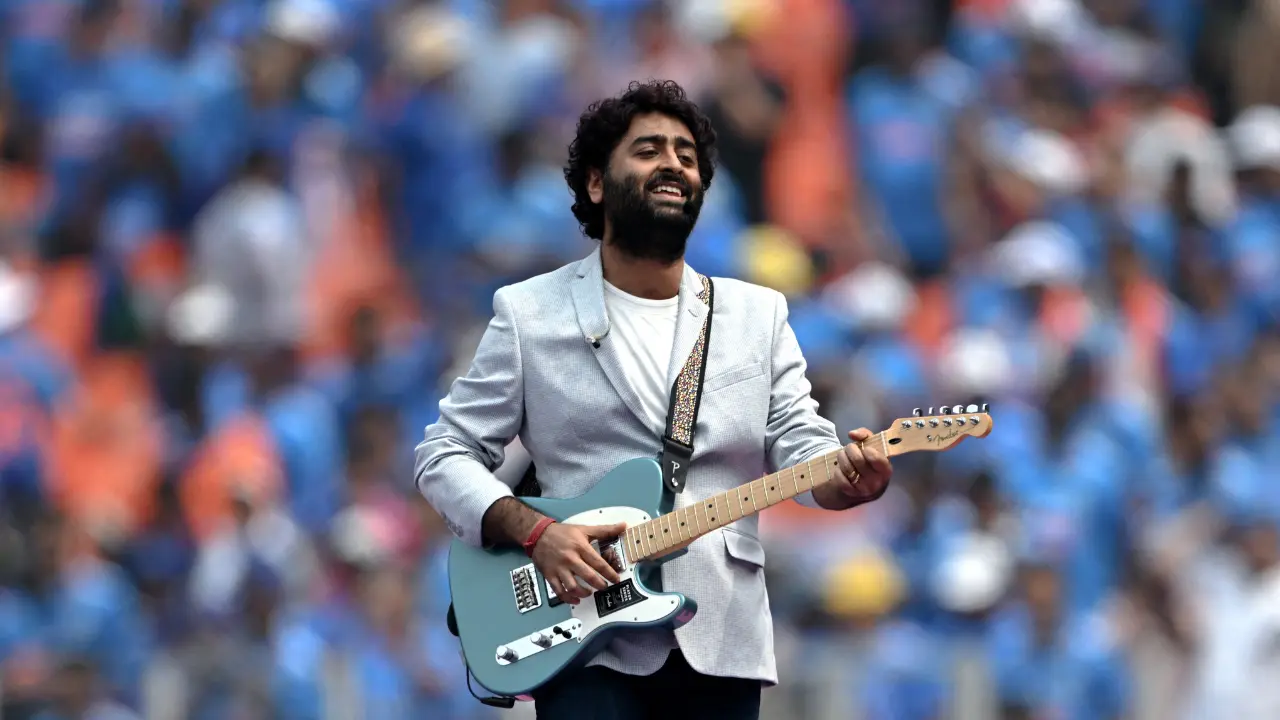
In an era where celebrity “breaks” are often calculated PR maneuvers, Arijit Singh’s recent announcement felt like a seismic shift in the tectonic plates of the Indian music industry. On the evening of January 27, 2026, the man whose voice has served as the emotional bedrock for a generation of cinema-goers took to social media to deliver a startling update. With a brevity that mirrored his notoriously low-profile persona, Singh declared his retirement from playback singing, effectively drawing the curtain on a fourteen-year reign that redefined the modern Bollywood soundtrack.
“I am calling it off. It was a wonderful journey,” Singh wrote, leaving millions of fans and industry peers in a state of collective disbelief. The 38-year-old maestro, recently honored with the Padma Shri, clarified that while he would honor existing commitments, he would no longer accept new playback assignments. His reasoning was as candid as it was surprising; the singer admitted to a sense of creative restlessness, noting that he often grew bored with repetitive commercial arrangements and felt a deep-seated need to return to the roots of music as a “small little artist.”
This transition marks the end of an unparalleled streak that began with the soulful resonance of Aashiqui 2 in 2013. For over a decade, Singh has been the default voice for every major superstar, bridging the gap between mainstream commercialism and raw, human vulnerability. While colleagues like Badshah hailed him as “Sadiyon mein ek” (one in centuries), the singer himself seems eager to trade the glitz of film sets for the sanctuary of independent composition and classical training. As Bollywood grapples with the sudden silence of its most reliable hit-maker, the industry is left to wonder who can possibly fill the void left by a legend who chose artistic freedom over commercial dominance at the absolute zenith of his powers.