Now Reading: Kim Ju Ae and the Fourth Generation of the Kim Dynasty
-
01
Kim Ju Ae and the Fourth Generation of the Kim Dynasty

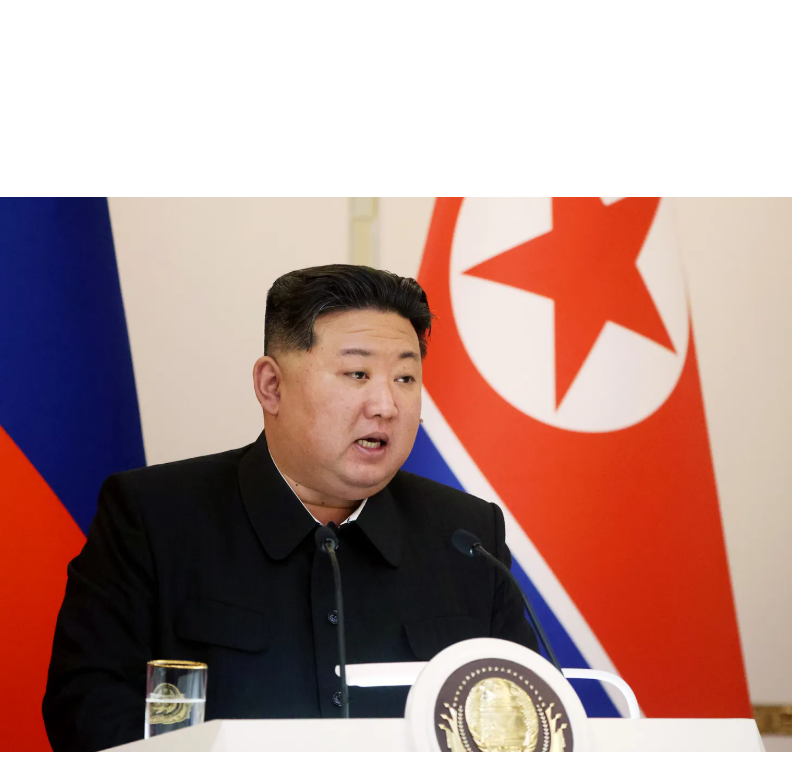
In the opaque theatre of North Korean politics, where every photograph is a coded message and every public outing a strategic maneuver, a new protagonist has definitively taken center stage. For years, the international community watched with cautious curiosity as a young girl, believed to be the teenage daughter of Kim Jong Un, appeared at missile launches and military parades. However, as of February 2026, that curiosity has transitioned into a stark geopolitical reality. South Korea’s National Intelligence Service (NIS) has officially informed lawmakers that the girl, known to the world as Kim Ju Ae, has moved beyond the phase of “successor training” and has entered the formal “successor-designate stage.”
This assessment, delivered during a high-stakes briefing in Seoul, suggests that the 13-year-old is no longer merely a “beloved child” used for propaganda optics, but a leader-in-waiting whose influence is beginning to permeate the regime’s policy discussions. The evidence cited by intelligence officials is compelling: from her high-profile diplomatic debut in Beijing in September 2025 to her prominent position at the Kumsusan Palace of the Sun this past January, Ju Ae is being woven into the very fabric of the “Paektu bloodline” narrative. Most notably, reports indicate she has begun voicing opinions on state policies during on-site inspections, a level of agency previously unheard of for a minor within the reclusive state.
As Pyongyang prepares for the 9th Workers’ Party Congress later this month, all eyes are on whether she will be granted an official title, such as First Secretary, to formalize her status. While North Korea’s deeply patriarchal political culture once made a female successor seem improbable, the carefully curated “narrative of continuity” suggests that Kim Jong Un is prioritizing dynastic survival over traditional gender norms. By introducing his heir early, Kim appears to be shielding the fourth generation from the frantic, hurried transition he himself endured. For the rest of the world, the rise of Ju Ae represents not just a family legacy, but the consolidation of a nuclear-armed future that spans decades to come.