Now Reading: BEST Services Struggle to Normalize Following Strike Conclusion
-
01
BEST Services Struggle to Normalize Following Strike Conclusion

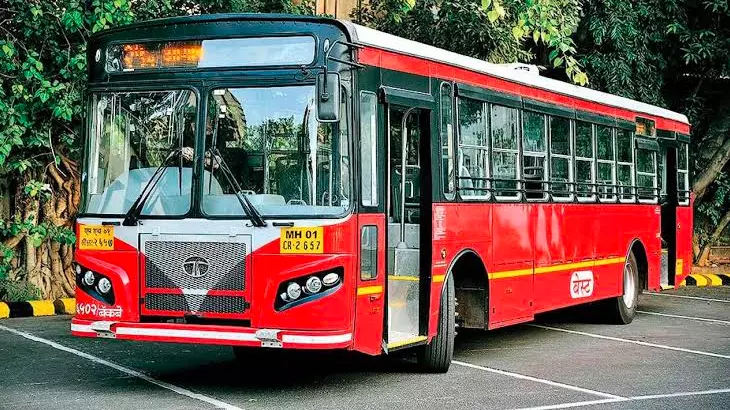
Mumbai’s public transportation system continues experiencing significant operational challenges as Brihanmumbai Electric Supply and Transport (BEST) services remain substantially below normal capacity one day after the conclusion of an industrial strike. The gradual resumption of services has revealed the extensive damage inflicted by the work stoppage on the city’s transportation infrastructure and passenger confidence, with full normalization requiring considerably more time than initially anticipated.
The strike, which disrupted services across BEST’s extensive bus network serving millions of daily commuters, has created cascading complications that extend beyond the strike period itself. Fleet readiness issues, driver availability challenges, and accumulated maintenance backlogs have conspired to prevent immediate return to full operational capacity despite strike resolution. Transportation authorities acknowledge that restoring normalcy requires systematic coordination across multiple operational departments and careful assessment of vehicle conditions following the prolonged service interruption.
Commuters have expressed frustration with continued delays, overcrowded buses operating at reduced capacity, and unpredictable service schedules that prevent reliable commute planning. The transportation vacuum created by BEST’s reduced operations has forced many passengers toward alternative transportation modes including private vehicles, auto-rickshaws, and ride-sharing services, decisions that may persist even after full service normalization as commuters seek more dependable alternatives.
Industry analysts note that extended strike periods create organizational inertia that requires substantial time to overcome. Employee redeployment, vehicle inspections, route optimization, and driver scheduling adjustments all demand careful execution to prevent operational errors that could trigger secondary disruptions. Management teams face pressure to expedite normalization while maintaining safety standards and operational quality that passengers deserve.
The partial service resumption has highlighted underlying systemic vulnerabilities within Mumbai’s public transportation framework, including insufficient fleet capacity relative to passenger demand and maintenance infrastructure requiring modernization. These structural challenges predated the strike and will persist regardless of strike resolution, suggesting that comprehensive transportation system improvements require institutional commitment extending beyond immediate crisis management.
As BEST works toward full service restoration, city authorities are simultaneously addressing passenger compensation mechanisms and implementing contingency planning for potential future disruptions. The strike’s aftermath demonstrates how transportation strikes disproportionately affect working-class commuters dependent upon public transit, reinforcing conversations about labor relations, employee grievances, and negotiation frameworks that might prevent future work stoppages while addressing legitimate worker concerns.