Now Reading: Marvel After Endgame: How Thunderbolts Signals a Creative Shift
-
01
Marvel After Endgame: How Thunderbolts Signals a Creative Shift

Since Avengers: Endgame hit theaters in 2019, its title has taken on a meaning deeper than intended. The culmination of the Marvel Cinematic Universe’s (MCU) “Infinity Saga” not only marked the defeat of Thanos but also signaled the close of an era defined by seamless continuity, sprawling interconnected stories, and a seemingly unstoppable run of box office hits. Since then, Marvel has struggled to sustain the same level of cohesion and cultural momentum. While the studio continues to produce notable releases, the collective enthusiasm that once surrounded every chapter has undeniably waned.
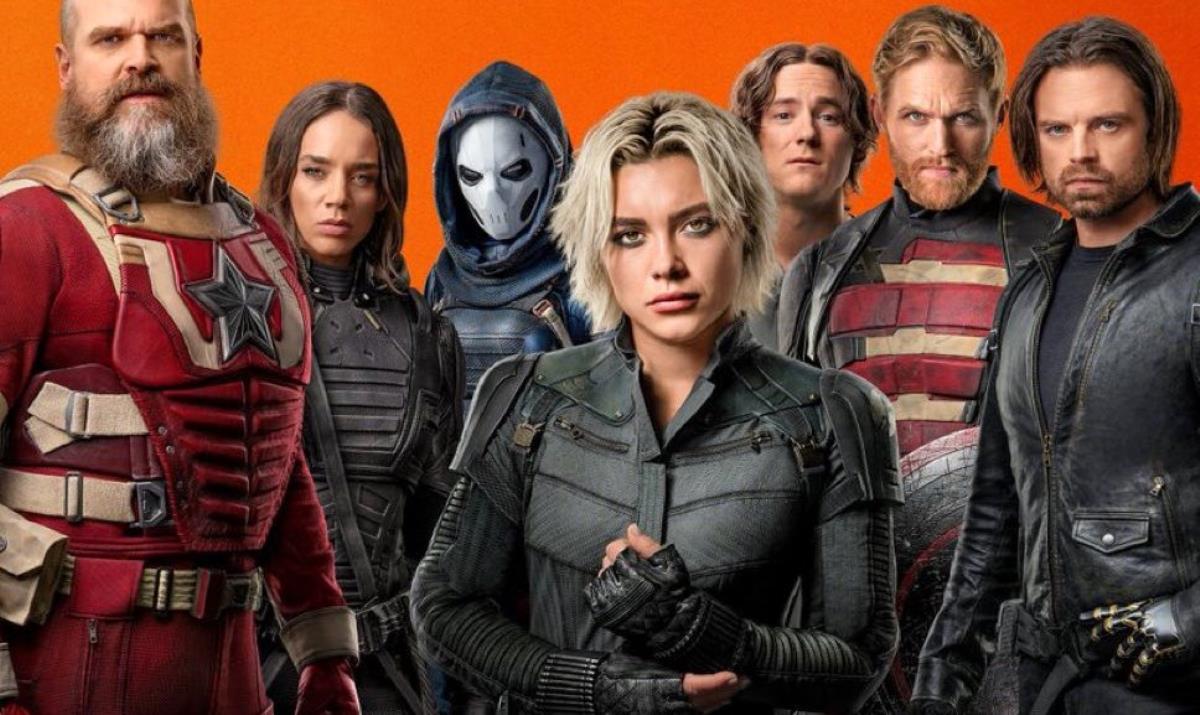
Interestingly, the most successful Marvel films post-Endgame are those that have departed from the franchise’s established blueprint. R-rated Deadpool & Wolverine stands as a prime example—irreverent, boundary-pushing, and largely disconnected from the mainline MCU. Similarly, Spider-Man: No Way Home triumphed by celebrating alternate versions of the web-slinger from non-MCU eras. Now, Thunderbolts arrives with its own distinctive voice. While it still exists within the broader MCU, it doesn’t shy away from addressing the existential void left by absent heroes like Iron Man and Captain America.
Directed by Jake Schreier and written by Eric Pearson and Joanna Calo, Thunderbolts injects new energy into a franchise in need of reinvention. It’s not just a film—it’s a recalibration of Marvel’s storytelling potential.