Now Reading: ChatGPT Image Generation Overload: OpenAI Faces High Demand Challenges
-
01
ChatGPT Image Generation Overload: OpenAI Faces High Demand Challenges

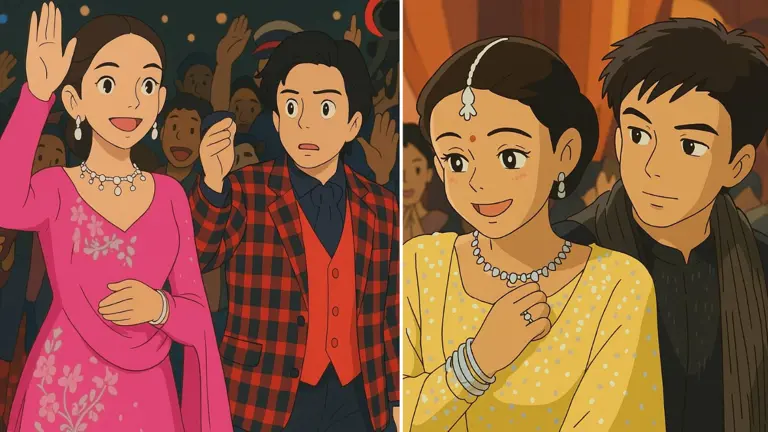
OpenAI’s ChatGPT has taken the internet by storm with its new native image generation capabilities, allowing users to transform real-life images into artistic renditions, particularly in the whimsical style of Studio Ghibli. This feature has driven an unprecedented surge in demand, causing strain on OpenAI’s servers as users flood the platform with requests.
Unlike other chatbots, ChatGPT’s image generation tool provides richer, more contextually accurate visuals, making it a sought-after creative asset. However, due to overwhelming usage, OpenAI has imposed strict limitations. Free-tier users can generate only three images, while even paid subscribers face restrictions to manage server loads effectively.
Despite these constraints, the AI-generated images have captivated audiences, fueling widespread enthusiasm across social media. Many users are eager for OpenAI to expand access and enhance processing efficiency. While the company has yet to announce any changes to its current model, the growing popularity of AI-driven creativity suggests that improvements may be on the horizon. As demand continues to rise, OpenAI faces the challenge of balancing accessibility with technological feasibility, ensuring that its groundbreaking tool remains a viable and scalable innovation.