Now Reading: Apple’s Breakthrough in 5G: The C1 Modem in iPhone 16e
-
01
Apple’s Breakthrough in 5G: The C1 Modem in iPhone 16e

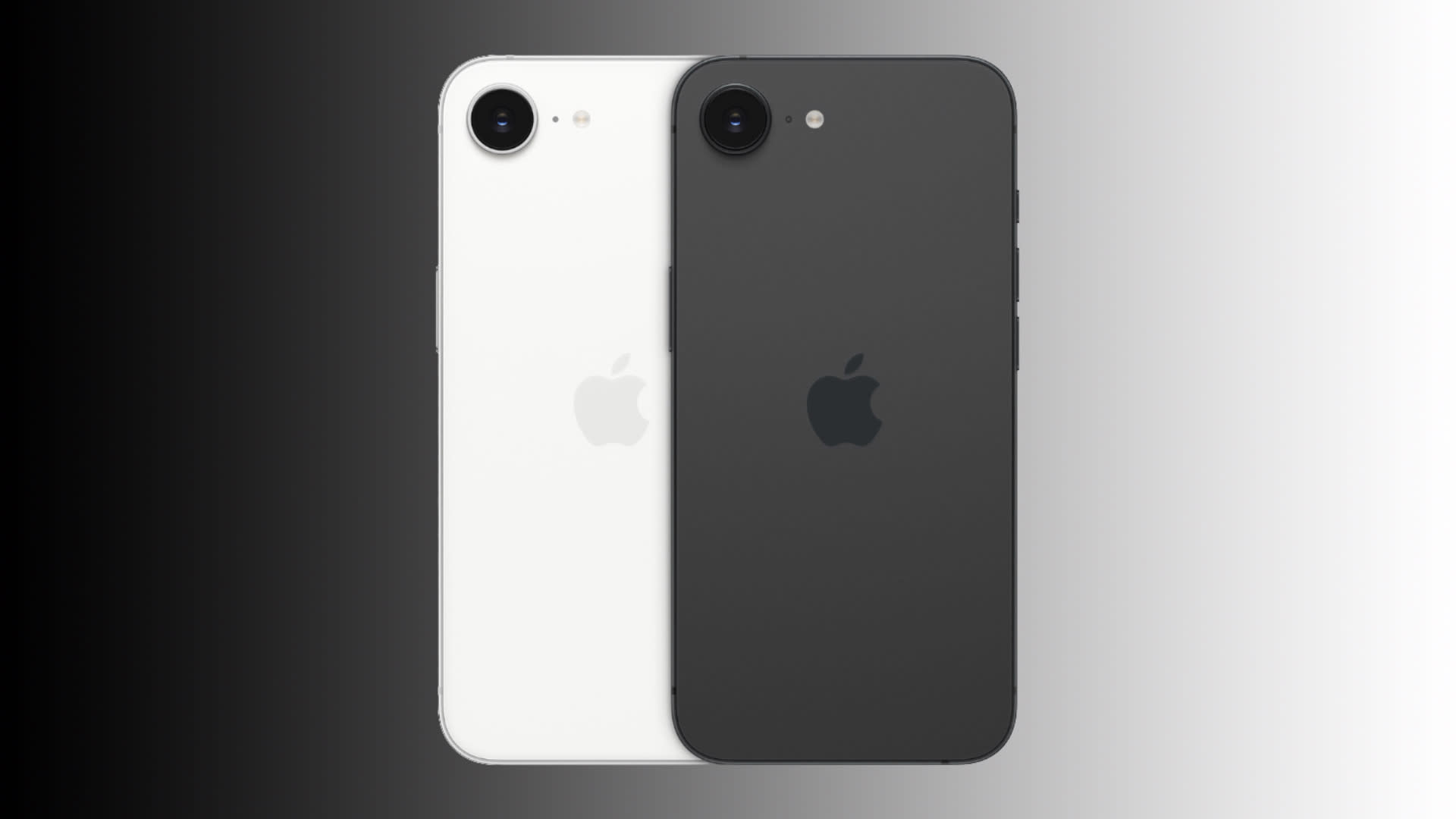
Apple’s in-house modem, the C1, debuting in the upcoming iPhone 16e, marks a significant shift in the smartphone industry. This development signals Apple’s reduced reliance on Qualcomm for 5G connectivity, a move that has been in the works for years. The C1 modem is expected to deliver enhanced efficiency, lower power consumption, and improved integration with Apple’s proprietary hardware and software ecosystem.
The transition away from Qualcomm’s 5G modems aligns with Apple’s broader strategy of vertical integration, ensuring tighter control over performance and security. While Apple has historically depended on Qualcomm for cellular modems, its acquisition of Intel’s modem division in 2019 set the stage for this self-sufficiency.
By bringing modem technology in-house, Apple aims to optimize network performance while potentially reducing costs. If successful, this shift could disrupt the market, influencing other tech giants to explore in-house modem development. The launch of the iPhone 16e with the C1 modem will be a defining moment in Apple’s journey toward greater independence in hardware innovation.