Now Reading: Parag Tyagi Addresses Disturbing Death Rumors About Wife Shefali Jariwala: Sets the Record Straight
-
01
Parag Tyagi Addresses Disturbing Death Rumors About Wife Shefali Jariwala: Sets the Record Straight
Parag Tyagi Addresses Disturbing Death Rumors About Wife Shefali Jariwala: Sets the Record Straight


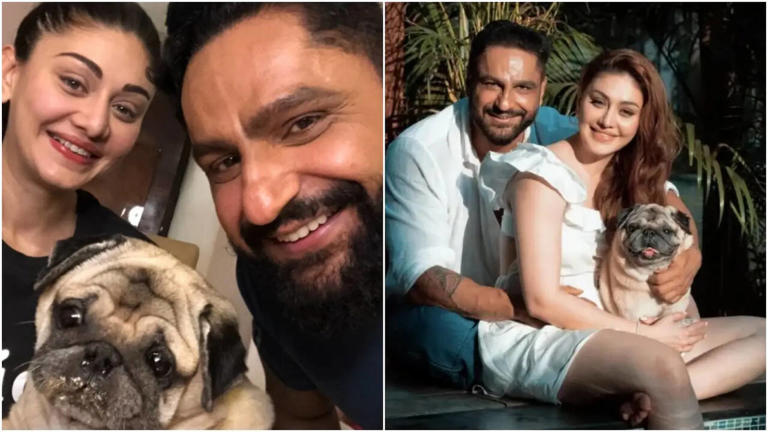
Television actor Parag Tyagi has finally addressed the distressing rumors circulating on social media regarding his wife and actress Shefali Jariwala’s alleged death, firmly dismissing the claims as baseless misinformation. The actor’s statement comes after disturbing speculation gained traction across various digital platforms, causing unnecessary panic among fans and concerned well-wishers who had grown alarmed by the unfounded reports.
In a forthright social media post, Tyagi expressed frustration and disbelief at how rapidly false information spreads in the digital age, emphasizing that both he and Shefali are perfectly healthy and continuing with their professional commitments. He condemned the irresponsible dissemination of death hoaxes, highlighting the emotional distress such rumors inflict not only on the subjects themselves but also on their families, friends, and devoted followers who genuinely care about their well-being.
The origin of these rumors remains unclear, though social media analysts suggest they may have stemmed from misconstrued information, malicious intent, or the increasingly common phenomenon of celebrity death hoaxes that plague digital platforms. Such false narratives typically gain momentum through shares and reposts before verification, exploiting the viral nature of shocking claims regardless of their authenticity.
Shefali Jariwala, best known for her appearances in reality television and music videos, has built a loyal fanbase over her career spanning multiple entertainment mediums. The couple, married since 2014, has weathered various public scrutinies but maintains a strong relationship characterized by mutual support and understanding. This latest episode represents yet another challenge in navigating public life where privacy and truth often fall victim to sensationalism.
Industry colleagues and fans quickly rallied around the couple following Tyagi’s clarification, expressing relief while simultaneously criticizing the culture of unverified information sharing that enables such harmful rumors. Many emphasized the need for digital literacy and responsible social media consumption, urging users to verify information through credible sources before spreading potentially damaging claims.
The incident has reignited conversations about the psychological toll that celebrity status extracts in an era of instantaneous digital communication, where a single false claim can spiral into widespread belief within hours. As Parag and Shefali move past this unsettling episode, their experience serves as a cautionary reminder about the real-world consequences of online misinformation and the importance of exercising discernment before accepting or sharing shocking claims about public figures.