Now Reading: Farah Khan’s Candid Revelation on Akshaye Khanna’s ‘Traumatic’ 90s Phase
-
01
Farah Khan’s Candid Revelation on Akshaye Khanna’s ‘Traumatic’ 90s Phase

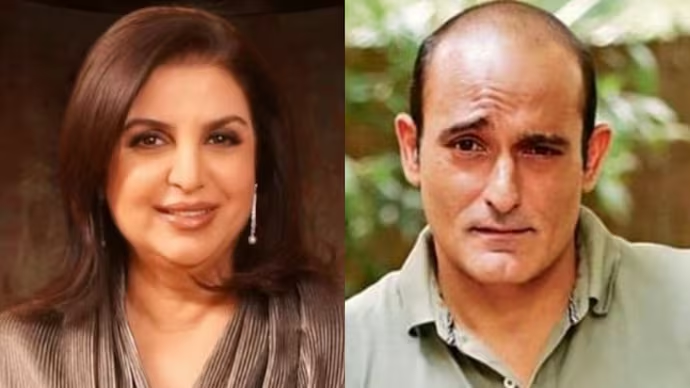
In the polished world of Bollywood, where professional equations are often shielded by diplomatic veneers, filmmaker and choreographer Farah Khan has recently dropped a truth bomb that has sent shockwaves through the industry. Speaking on a recent podcast in March 2026, the candid director opened up about a time when she actively avoided working with Akshaye Khanna, describing her early experiences with the actor during the 1990s as nothing short of “traumatizing.” Her revelation offers a rare, humanizing look at the insecurities that brew beneath the surface of stardom and how time, maturity, and self-acceptance can fundamentally alter a person’s professional aura.
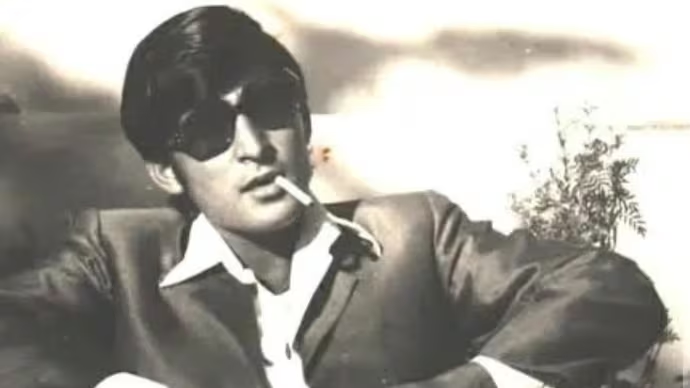
Farah recalled that during the nascent stages of their careers, Akshaye was notoriously difficult to deal with on set. She described him as “constantly irritable” and prone to volatile outbursts, even going as far as to say he would throw things and aggressively question dialogue choices. The root of this angst, as Farah explains, was deeply personal: a young Akshaye was struggling with premature hair loss. At just nineteen, the existential threat to his leading-man status manifested as a rigid, defensive temperament. Farah confessed that she reached a point where she would deliberately lie about her availability, claiming she had no “dates” whenever she heard Akshaye was cast in a project.
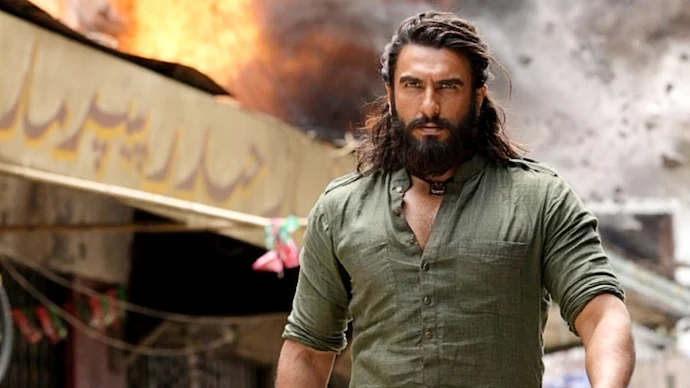
The narrative took a turn in 2001 with the cult classic Dil Chahta Hai. Forced to collaborate because the film was her cousin Farhan Akhtar’s directorial debut, Farah was stunned to find a transformed man. Having finally reconciled with his appearance, Akshaye had shed his defensive shell for a “chill” and relaxed demeanor. Today, the friction has long since evaporated, replaced by mutual respect and a warm rapport. Farah even revealed that she reached out to him immediately after watching his powerhouse performance as Rehman Dakait in the 2025 blockbuster Dhurandhar, even visiting his Alibaug home to celebrate his craft. It is a testament to the fact that in the high-pressure cauldron of cinema, growth is the only true constant.