Now Reading: Guardians of Health: India’s Landmark HPV Vaccination Drive
-
01
Guardians of Health: India’s Landmark HPV Vaccination Drive

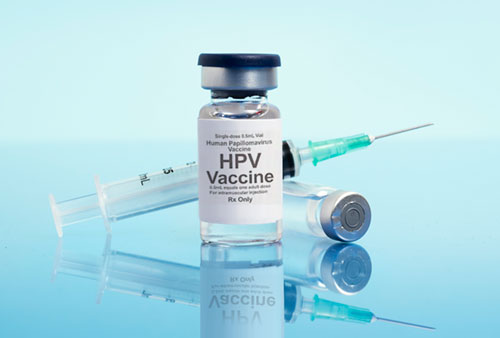
In a decisive move toward transforming the landscape of women’s healthcare, the Indian government has officially greenlit a nationwide program to provide the Human Papillomavirus (HPV) vaccine free of cost. Launched in February 2026, this initiative specifically targets a cohort of nearly 1.2 crore adolescent girls aged 14 years, aiming to dismantle the threat of cervical cancer before it can take root. As the second most common cancer among Indian women, claiming over 42,000 lives annually, cervical cancer has long been a silent epidemic. By integrating this life-saving preventive measure into public health facilities—ranging from Ayushman Arogya Mandirs to district hospitals—India joins a global cohort of nations prioritizing primary prevention over long-term clinical burden.
The science behind the vaccine is both elegant and revolutionary. Unlike traditional vaccines that use weakened or killed versions of a virus, the HPV vaccine utilizes recombinant DNA technology to produce “Virus-Like Particles” (VLPs). These particles are engineered from the L1 protein found on the outer shell of the virus. Because VLPs mimic the physical structure of the actual virus but lack its infectious genetic material, they cannot cause the disease. Instead, they serve as a “training manual” for the immune system, triggering the production of high levels of neutralizing antibodies. Should the body later encounter the actual HPV virus, these antibodies are ready to intercept and neutralize it before it can infect healthy cells.
The 2026 rollout utilizes a single-dose strategy of the quadrivalent Gardasil vaccine, which provides robust protection against HPV types 16 and 18—responsible for 80% of cervical cancer cases in India—as well as types 6 and 11, which cause genital warts. Administering the vaccine at age 14 is a strategic “sweet spot,” ensuring maximum immunogenicity before potential exposure. Tracked digitally through the U-WIN platform, this mission represents a shift toward a “Swastha Nari” (Healthy Woman) vision, proving that with the right technology and political will, even the most formidable diseases can be designed out of our future.